
Spotted dolphin
Sighting
Spotted Dolphin in Gran Canaria
The spotted dolphin in Gran Canaria is one of the most frequently sighted species during dolphin watching excursions around the island. Thanks to the deep Atlantic waters off the southern coast, especially between Puerto Rico de Gran Canaria and Mogán, these playful dolphins can be observed in their natural habitat almost all year round.
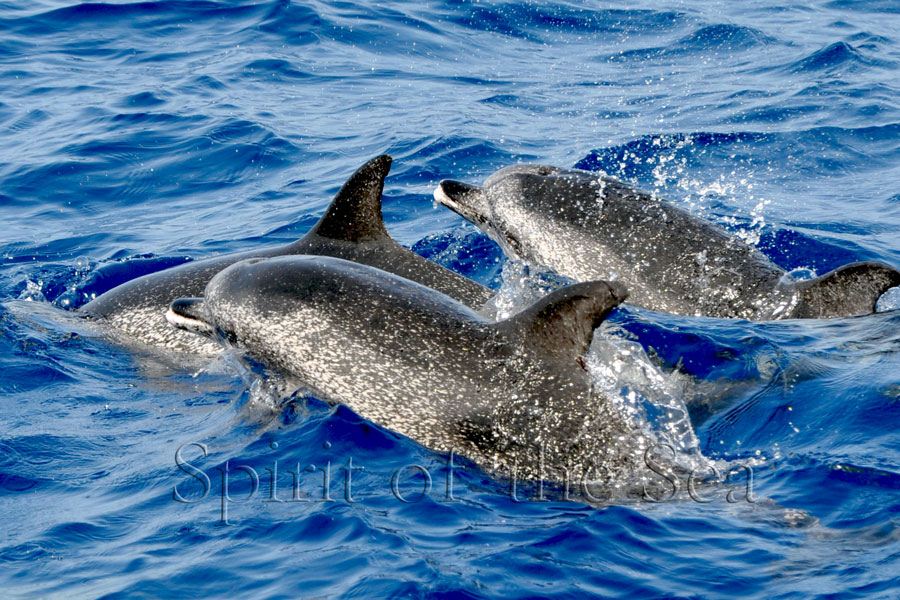
This species belongs to the Stenella genus and is characterised by the distinctive spots on its skin, which develop and change as the animal matures. The two best-known species are the pantropical spotted dolphin (Stenella attenuata) and the Atlantic spotted dolphin (Stenella frontalis), both present in Canary Islands waters.
See Spotted Dolphins on a Whale Watching Tour
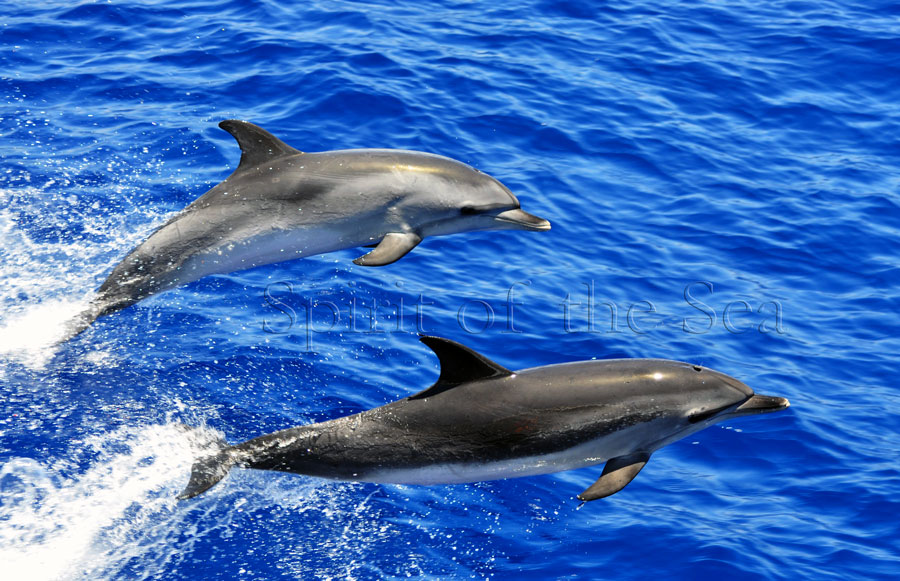
Spotted dolphins are one of the most exciting species to encounter during a whale watching tour from Puerto Rico de Gran Canaria. They are highly social and curious, often swimming in large groups, approaching boats and riding the bow waves — giving passengers a close-up, unforgettable experience.
All our excursions depart from our base port at Puerto Rico marina (the marina on the left when facing the sea). Our whale watching tour lasts 2.5 hours, with daily departures at 10:30 and 13:30. The afternoon departure may include a short swimming stop if conditions allow — bring your swimsuit and towel.
We also offer a hotel pick-up service on request from Mogán to Playa del Cura and from Bahía Feliz to Meloneras (please enquire when booking).
Physical Characteristics of the Spotted Dolphin
Spotted dolphins are a slender and robust species, with a long, pronounced snout and a medium size, varying between 1.7 and 2.4 metres in length and weighing between 90 and 115 kg.
Their most distinctive feature is their spotted skin pattern. Calves are born without spots, which gradually appear and increase in number as the dolphin ages. The distribution and density of spots vary between individuals, making each one uniquely identifiable.
This oceanic species is commonly found in tropical and warm temperate waters of the Atlantic Ocean, including the Gulf of Mexico, the Gulf Stream (between Florida and Bermuda) and the Canary Islands. While they generally inhabit deep offshore waters, they regularly approach the southern coast of Gran Canaria, making this one of the best locations in Europe to see them.
Intelligence and Social Behaviour
Spotted dolphins are among the most social and playful cetacean species. They are frequently seen on the surface interacting with each other, and it is not unusual to spot them swimming alongside bottlenose dolphins and even pilot whales.
Their communication relies on two key mechanisms:
- Clicks — used for echolocation, allowing them to navigate and hunt prey in deep waters, particularly during night-time dives.
- Whistles — used for social communication between individuals within the group.
This combination of intelligence, curiosity and social nature is what makes them one of the most rewarding species to observe during dolphin watching excursions in Gran Canaria.
Frequently Asked Questions About the Spotted Dolphin
Where can you see spotted dolphins in Gran Canaria?
Spotted dolphins are most commonly found in the deep waters off the south and southwest coast of Gran Canaria, particularly in the area between Puerto Rico and Mogán. On our dolphin watching tours, we operate in this area, where sightings are frequent thanks to the large resident and migratory populations.
When is the best time of year to see spotted dolphins?
Spotted dolphins can be seen all year round off the coast of Gran Canaria. Sightings are especially common between spring and autumn, with summer being the ideal season due to calm sea conditions and increased dolphin activity near the surface.
Where do the excursions depart from?
All excursions depart from Puerto Rico marina in Gran Canaria — the marina on the left-hand side when facing the sea. We offer hotel pick-ups from Mogán to Playa del Cura and from Bahía Feliz to Meloneras on request.
How long does the experience last?
Our whale watching tour lasts 2.5 hours, with two daily departures at 10:30 and 13:30. The afternoon trip may include a short swimming stop if sea conditions permit.
What are the main threats to spotted dolphins?
The main threats to spotted dolphins worldwide are tuna fishing (bycatch), marine pollution and habitat degradation. The waters around the Canary Islands benefit from marine protection regulations, making them a relatively safe environment for these species.

